The Ferrari Dilemma: Why Your Fleet Needs a Better Track Before It Needs Faster AI
.jpg)

The buzz at Fleet Europe Days 2025 in Luxembourg was undeniable. The promise of Artificial Intelligence is everywhere, predictive maintenance, autonomous route optimisation, and a complete overhaul of how we manage assets.
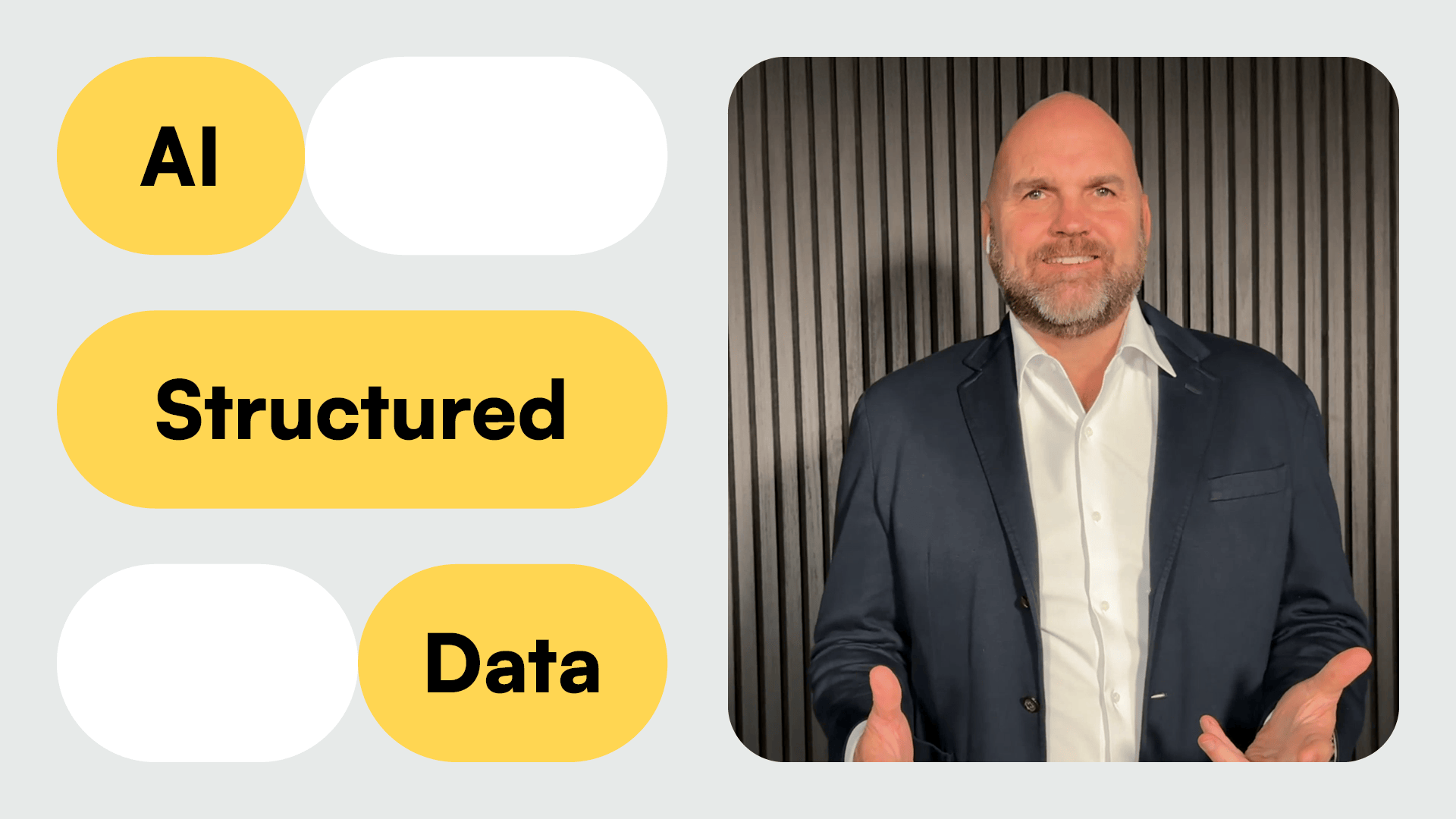
But amidst the excitement, our Chief Commercial Officer, Jared Campbell, posed a difficult question to the industry: Are we actually ready to drive this vehicle?
The answer lies in what we call The Formula One Paradox.
Imagine a brand-new Formula One car produced by Ferrari. It is a masterpiece of engineering, sleek, aerodynamic, and built for unadulterated speed. Now, imagine taking that technological marvel and dropping it onto a dirt road riddled with potholes, mud, and loose gravel.
What happens?
The engineering becomes irrelevant. The speed is wasted. The car cannot perform because the track isn’t built to handle the machine.
This is the reality for many fleets today. We are eager to deploy "generational AI" and advanced agents, yet we are layering these sophisticated tools on top of outdated core systems and crumbling data infrastructure.
We often think of AI as magic, but it is entirely dependent on the fuel you feed it: Data.
Even the world's most sophisticated machine learning model is rendered ineffective if the data it relies on is delayed by a 20-minute phone call, trapped in a spreadsheet, or stuck in a manual entry queue. When we force cutting-edge AI to interact with legacy bottlenecks, we aren't just slowing it down; we are wasting its potential.
Escaping the Data Processor Trap
One of the prevailing fears in our industry is that AI is here to replace the fleet manager. At FleetGuru, we see it differently. The future isn't about reducing the workforce; it's about shifting the value.
Historically, the industry has forced talented humans to act as data processors, chasing down invoices, manually bridging gaps between systems, and putting out fires. AI aims to flip this dynamic:
AI doesn't replace the fleet manager; it frees them. By automating the "dirt road" tasks, you can finally focus on the high-value decisions that actually drive the business forward.
The Risk of the Waiting Game
The most urgent takeaway from Luxembourg is that laying the foundation takes time.
Untangling decades of legacy systems and creating clean, real-time data flows is a significant challenge, but it is a necessary investment. Once that foundation is ready, deploying AI happens instantly. This dynamic is creating a widening gap in the market.
Companies investing in their data infrastructure now will be able to accelerate instantly when new tools launch. Whereas companies waiting for the "perfect tool" without fixing their backend will find themselves years behind.
It’s Time to Pave the Road
The lesson for fleet leaders is simple. If we want to unleash the full potential of AI, we need to stop obsessing over the car (the AI models) and start focusing on the track (your data infrastructure).
The speed of AI won't wait for anyone. To survive the next generation of fleet management, the time to pave the road is now.
Are your systems ready for the speed of AI? Contact FleetGuru.ai Today to learn how we help you build the infrastructure for the future.
.png)








.png)